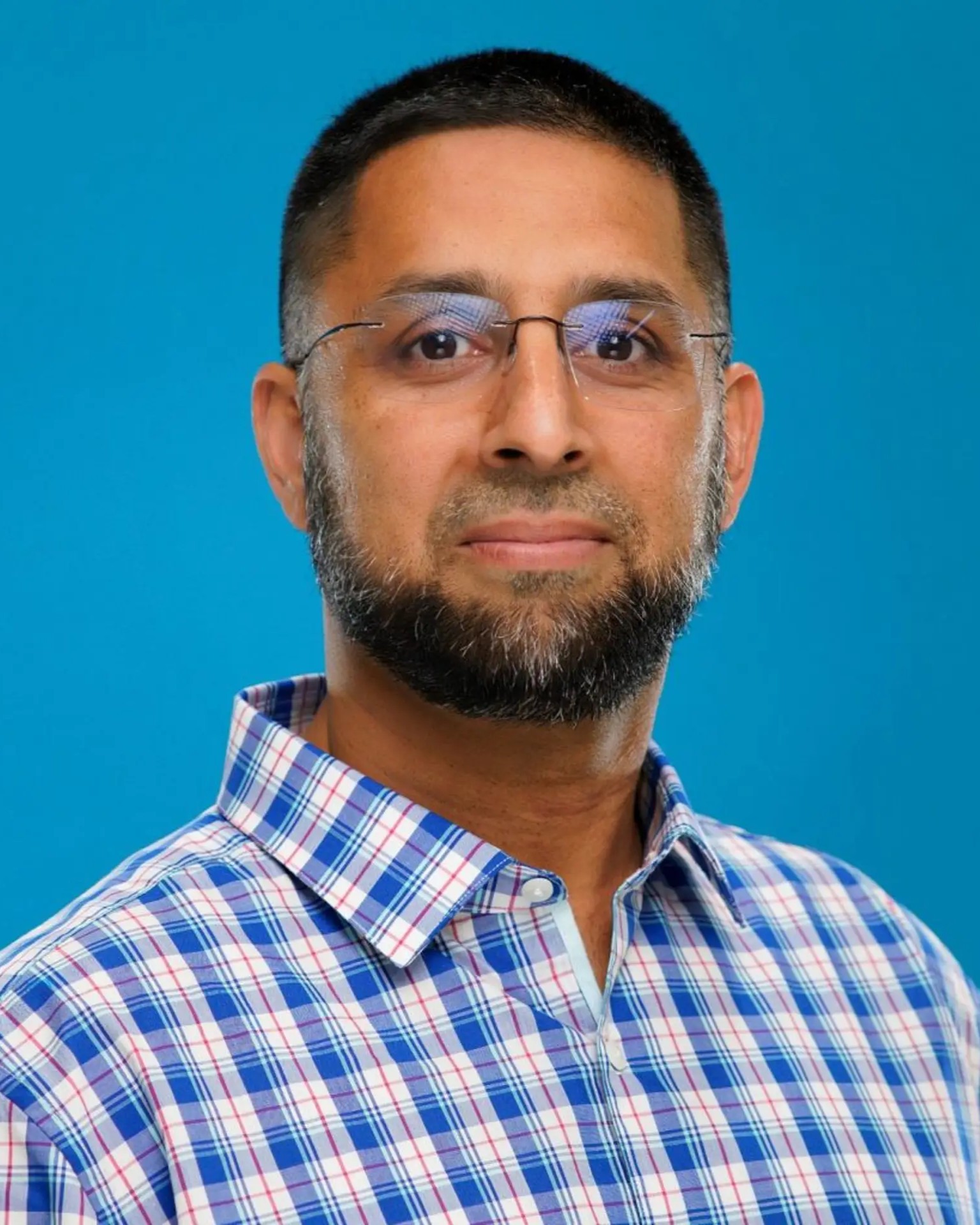
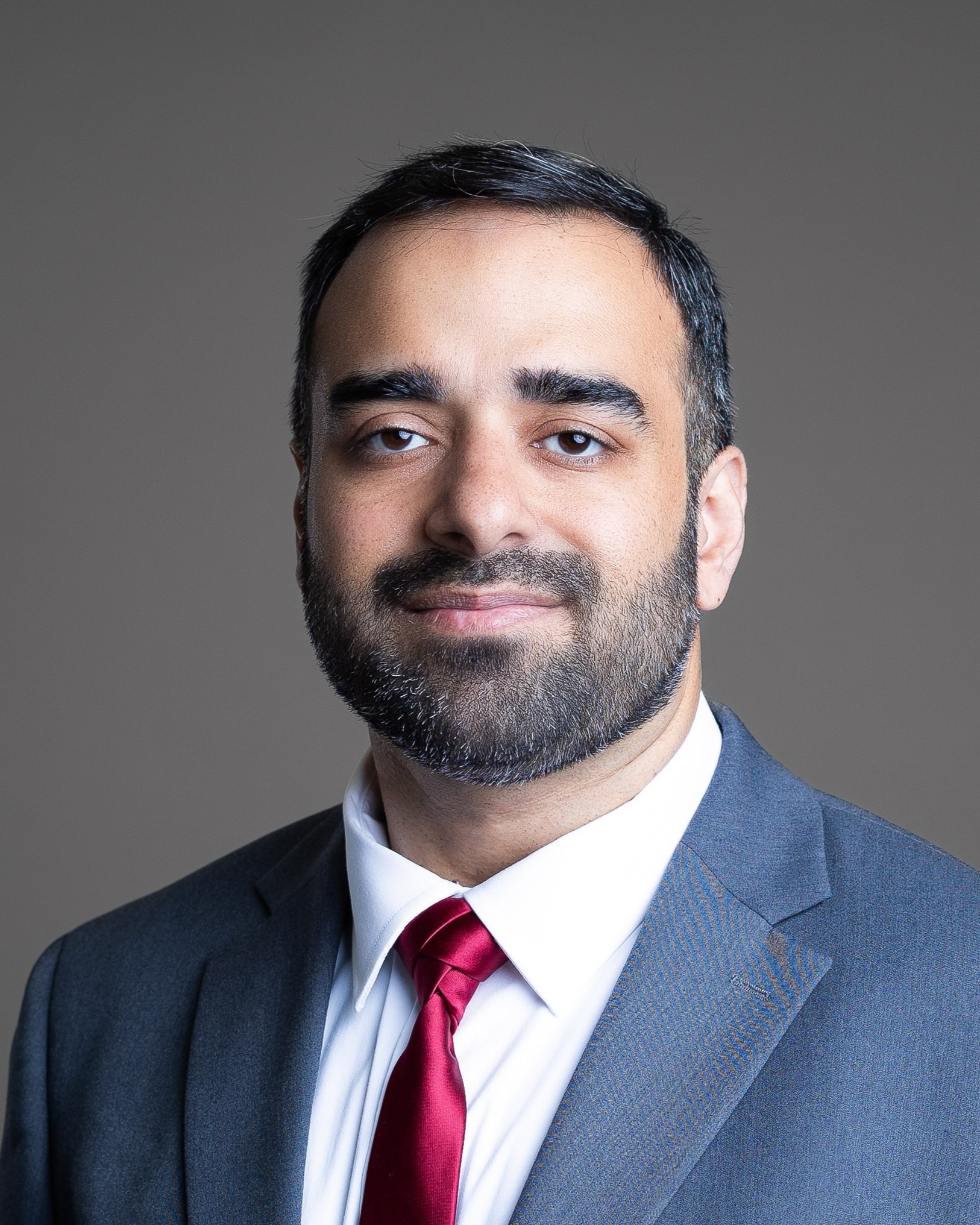
An in-depth session exploring how faith and psychology intersect to strengthen īmān, resilience, and holistic well-being.
-
Accessibility
-
Contrast


Next Prayer in

 Al-Iman Amānah
Inspire
Al-Iman Amānah
Inspire
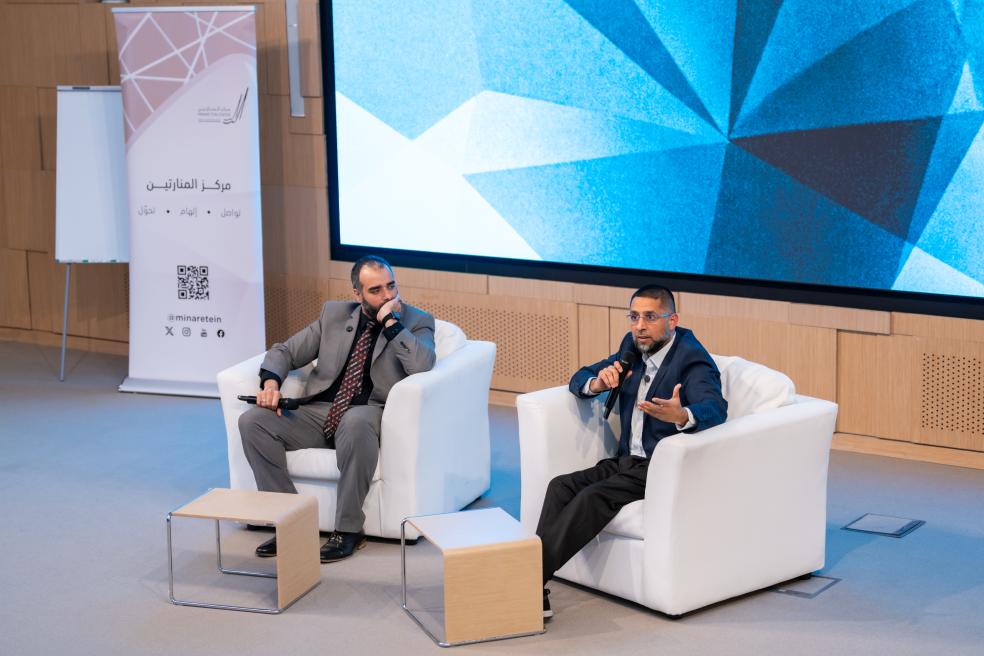
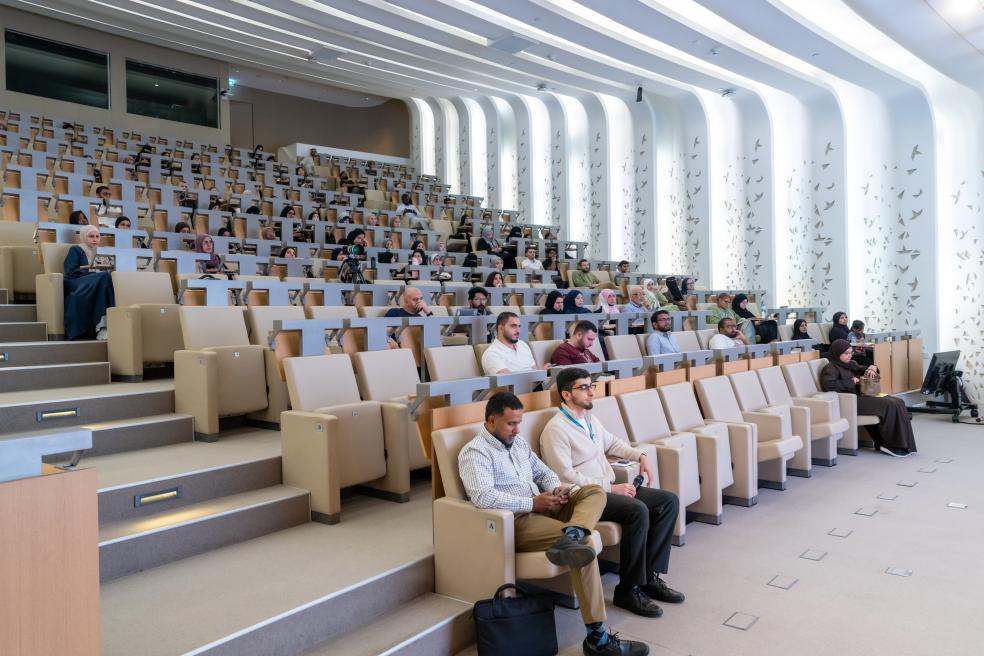
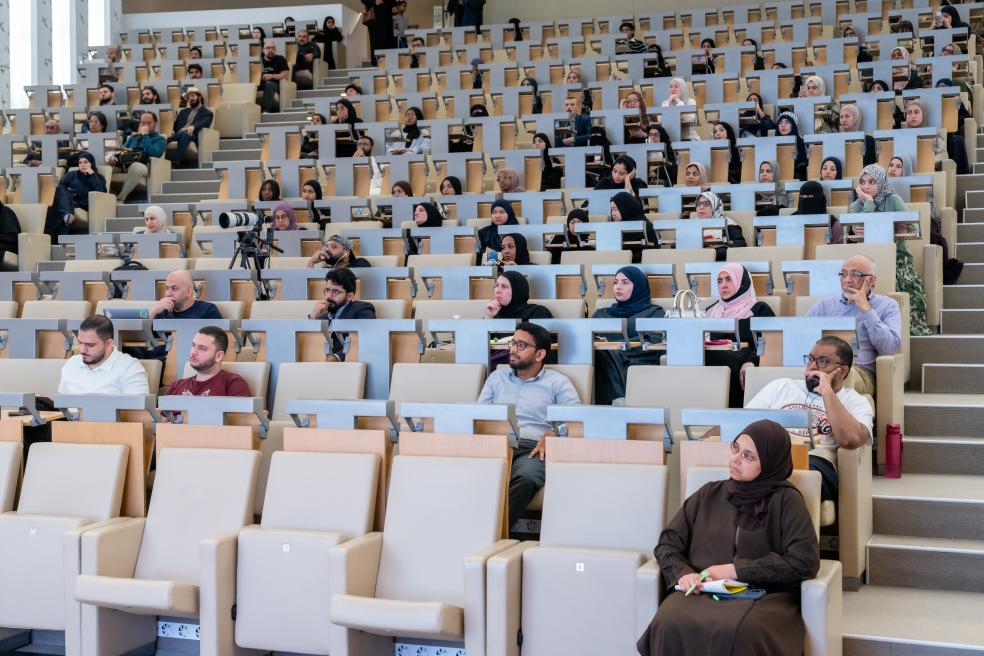
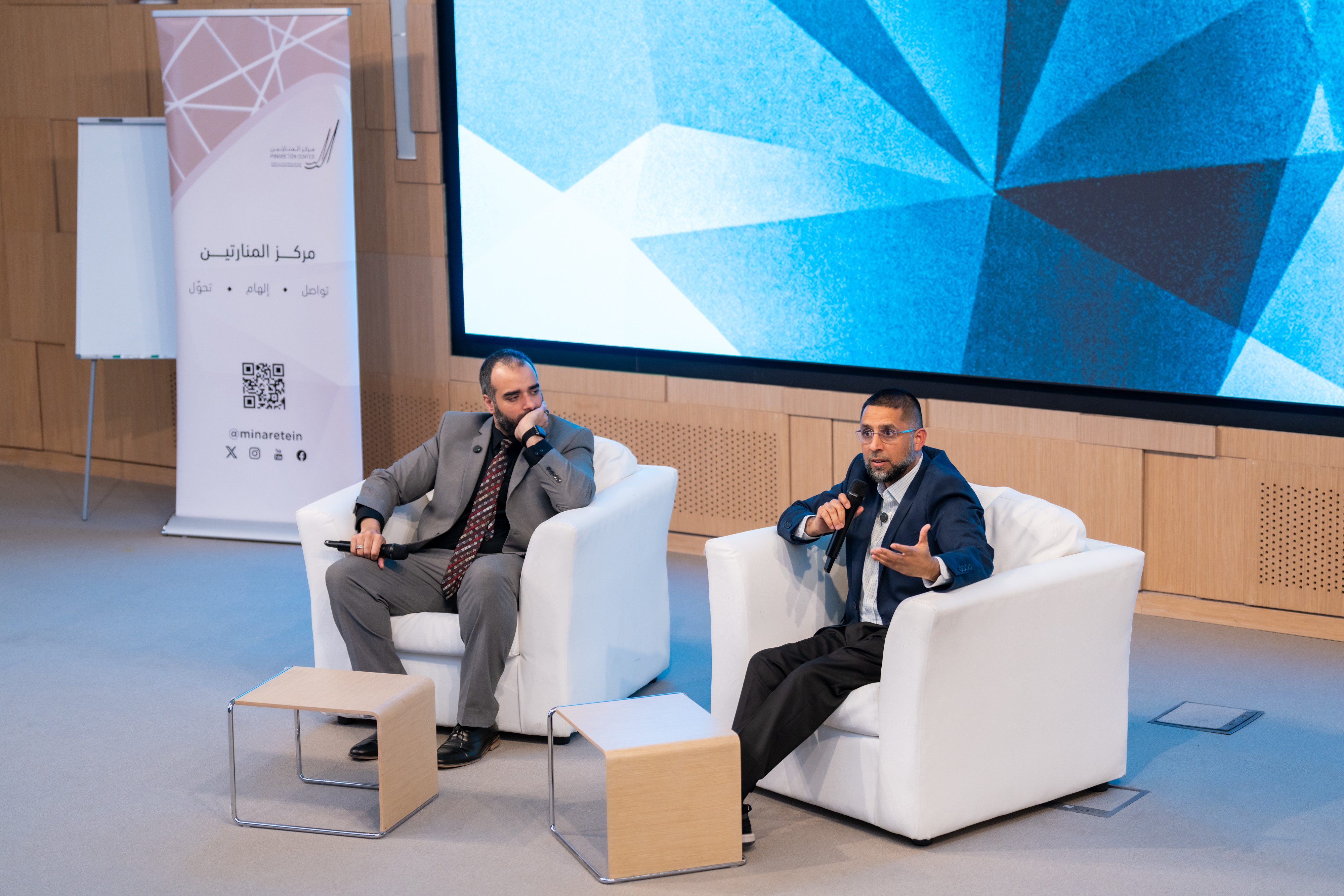
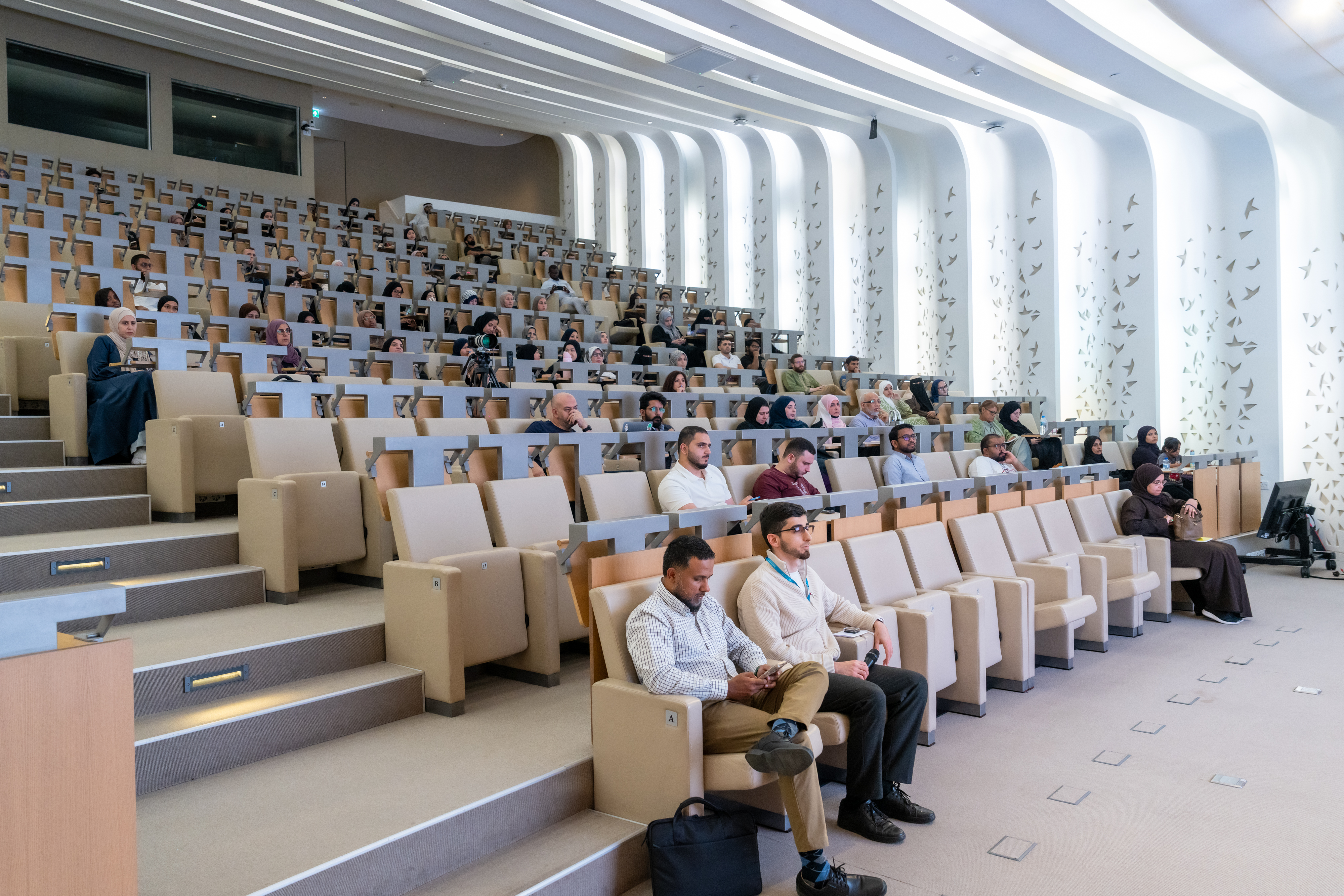
As part of the Al-Imān Amānah initiative, Minaretein Center hosted Faith & Flourishing: Psychological Pathways to Strengthening Īmān, a thought-provoking discussion exploring the relationship between faith, psychological well-being, and human flourishing through both Islamic scholarship and contemporary psychology.
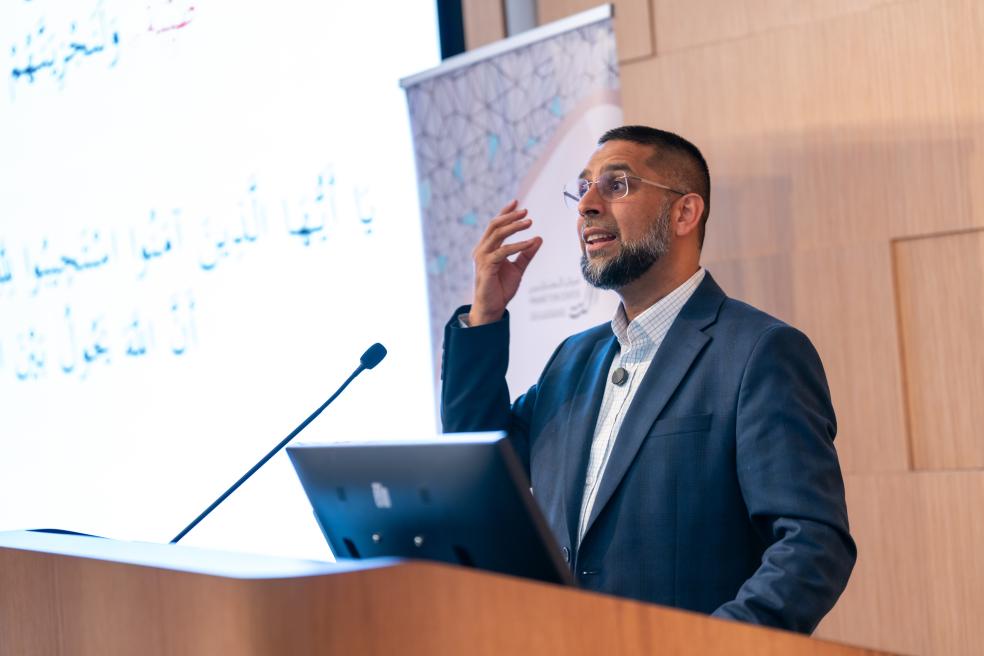
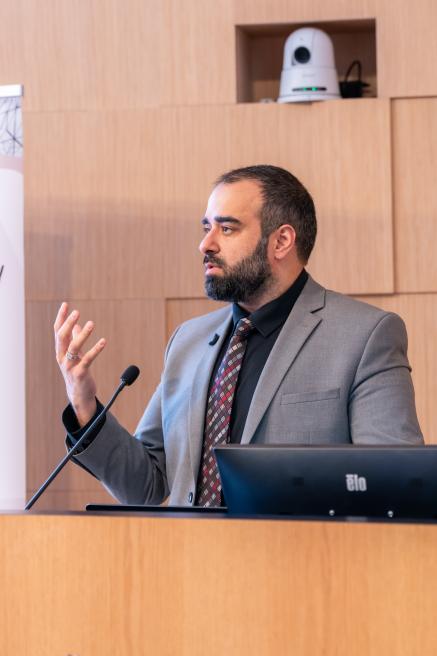
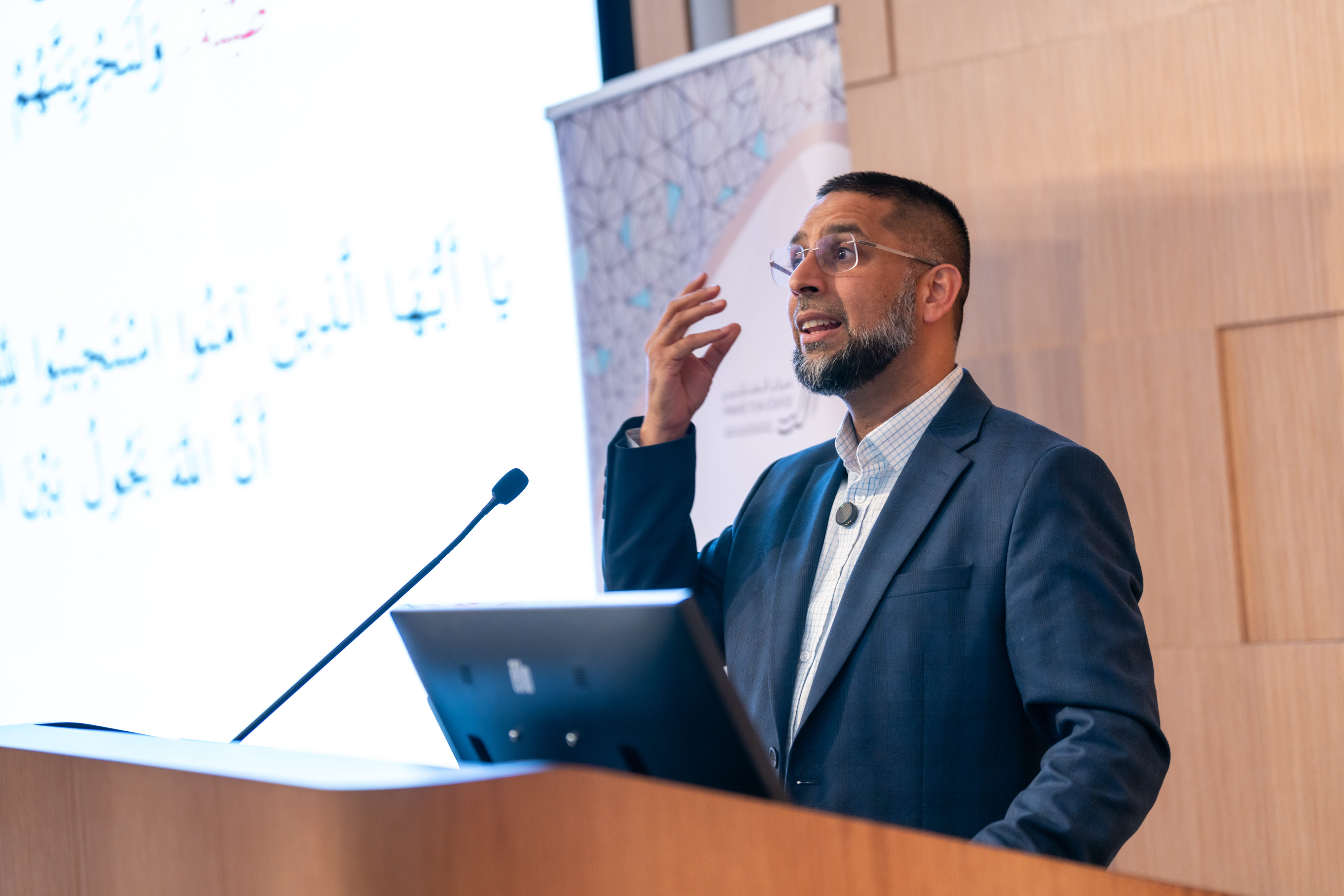
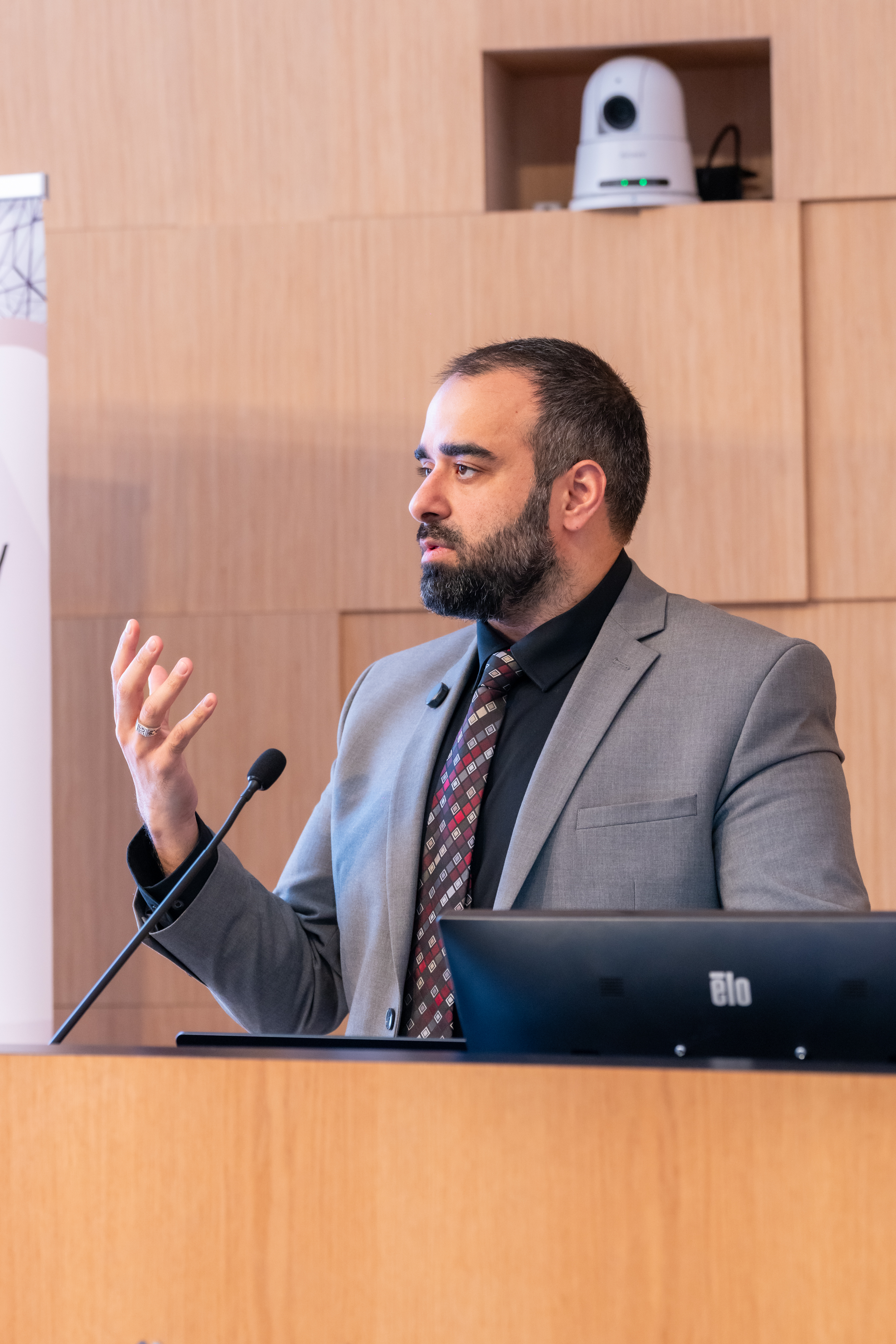
The event brought together two complementary perspectives. Dr. Osman Umarji examined how the Qur’an and Prophetic teachings provide a framework for emotional resilience, purpose, and well-being, while Dr. Fahad Habib Khan explored how early relationships, parenting, and spiritual experiences shape a person’s connection with Allah and influence psychological health.
Together, the speakers highlighted how īmān serves not only as a set of beliefs, but as a living force that nurtures emotional strength, spiritual growth, and a meaningful life.
Faith, Well-Being, and Flourishing — Dr. Osman Umarji
Dr. Osman Umarji began by exploring how the Qur’an addresses the emotional and psychological realities of human life. Drawing on examples from the life of Prophet Muhammad ﷺ, he highlighted how revelation repeatedly guided the Prophet through moments of stress, uncertainty, grief, and responsibility.
The session challenged the common assumption that mental well-being simply means the absence of illness. Instead, participants were introduced to the concept of flourishing, a state characterized by purpose, resilience, gratitude, motivation, and the ability to navigate life’s challenges while remaining grounded in faith.
A major theme of the presentation focused on uncertainty. Drawing on both psychological research and Islamic teachings, Dr. Umarji discussed how an inability to tolerate uncertainty contributes to anxiety and emotional distress, while trust in Allah and acceptance of divine wisdom provide a foundation for greater emotional stability and hope.
The discussion also explored how Islamic teachings address many of the factors known to influence well-being, including relationships, lifestyle, emotional regulation, worship, community, and spiritual purpose. Participants were encouraged to view faith not as a guarantee against hardship, but as a source of strength that helps believers persevere and flourish despite life's challenges.
Experiencing Allah: Spiritual Development and Psychological Health — Dr. Fahad Habib Khan
Building upon these themes, Dr. Fahad Habib Khan examined how people develop their understanding of Allah through lived experience, relationships, and upbringing.
The presentation distinguished between intellectually knowing about Allah and emotionally experiencing a relationship with Him. Drawing on psychological research, clinical practice, and Islamic teachings, Dr. Fahad discussed how childhood experiences, parenting styles, and family relationships can influence how individuals perceive Allah’s mercy, forgiveness, care, and closeness.
The session explored how healthy experiences of compassion, trust, and nurturing relationships help believers internalize a more positive and hopeful understanding of their Creator, while negative experiences can sometimes create barriers to spiritual connection.
Dr. Fahad emphasized that spiritual growth involves more than acquiring knowledge. Rather, it requires cultivating meaningful experiences of worship, gratitude, reflection, community, and sincere engagement with Allah. Participants were encouraged to transform routine acts of worship into deeper spiritual experiences by engaging both the mind and the heart.
The presentation also highlighted the importance of relationships, emotional healing, and character development in supporting both psychological well-being and spiritual flourishing.
Interactive Discussion and Q&A
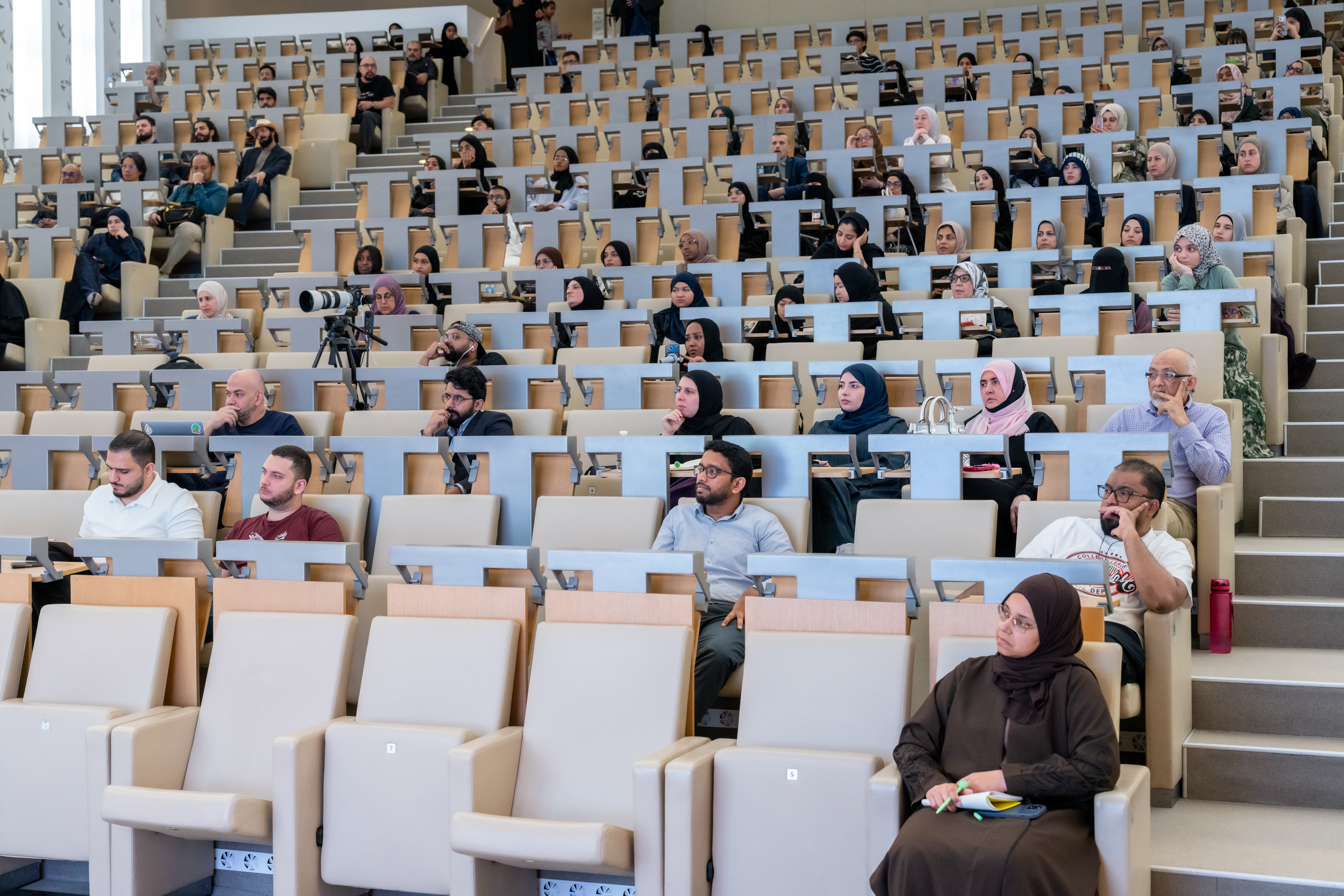
The event concluded with an extended question-and-answer session where participants engaged with both speakers on a range of contemporary topics, including parenting, trauma, emotional resilience, therapy, uncertainty, spiritual struggles, and practical ways to strengthen one's relationship with Allah.
The discussion reinforced the central message of the event: that faith and well-being are deeply interconnected, and that a flourishing life is cultivated through knowledge, worship, reflection, meaningful relationships, and trust in Allah.
Key Themes
- Faith and psychological flourishing
- Emotional resilience in the Qur’an and Sunnah
- Trusting Allah amidst uncertainty
- The relationship between īmān and well-being
- Parenting and spiritual development
- Perceptions of Allah and their impact on mental health
- Experiential worship and spiritual growth
- Gratitude, purpose, and flourishing
- Islamic psychology and contemporary challenges
- Strengthening īmān in everyday life

Event Date
May 11, 2026

Event Time
06:30 PM - 08:00 PM

Target Audience
Men / Women

Language
English

Location
Auditorium, Minaretein

Explore how īmān and well-being come together in meaningful ways:
Youtube Link
Share This:
Event Speakers
1) Dr. Osman Umarji (Research Lead): Presents the evidence base and conceptual models, including holistic religiosity, psychological well-being, religious doubt, and pathways linking faith to flourishing. 2) Dr. Fahad Habib Khan (Clinical Lead): Translates concepts into practical application through whole-person frameworks, offering tools for personal growth and real-life integration.
Dr. Osman Umarji
Director of Global Muslim Studies at Yaqeen Institute
Dr. Fahad Habib Khan
Assistant Professor of Islamic Psychology at HBKU

1:32:39
Faith & Flourishing: Psychological Pathw...
What is the relationship between faith and mental well-being? Can a stronger connection with Allah help us navigate anxiety, uncertainty, and life's challenges?