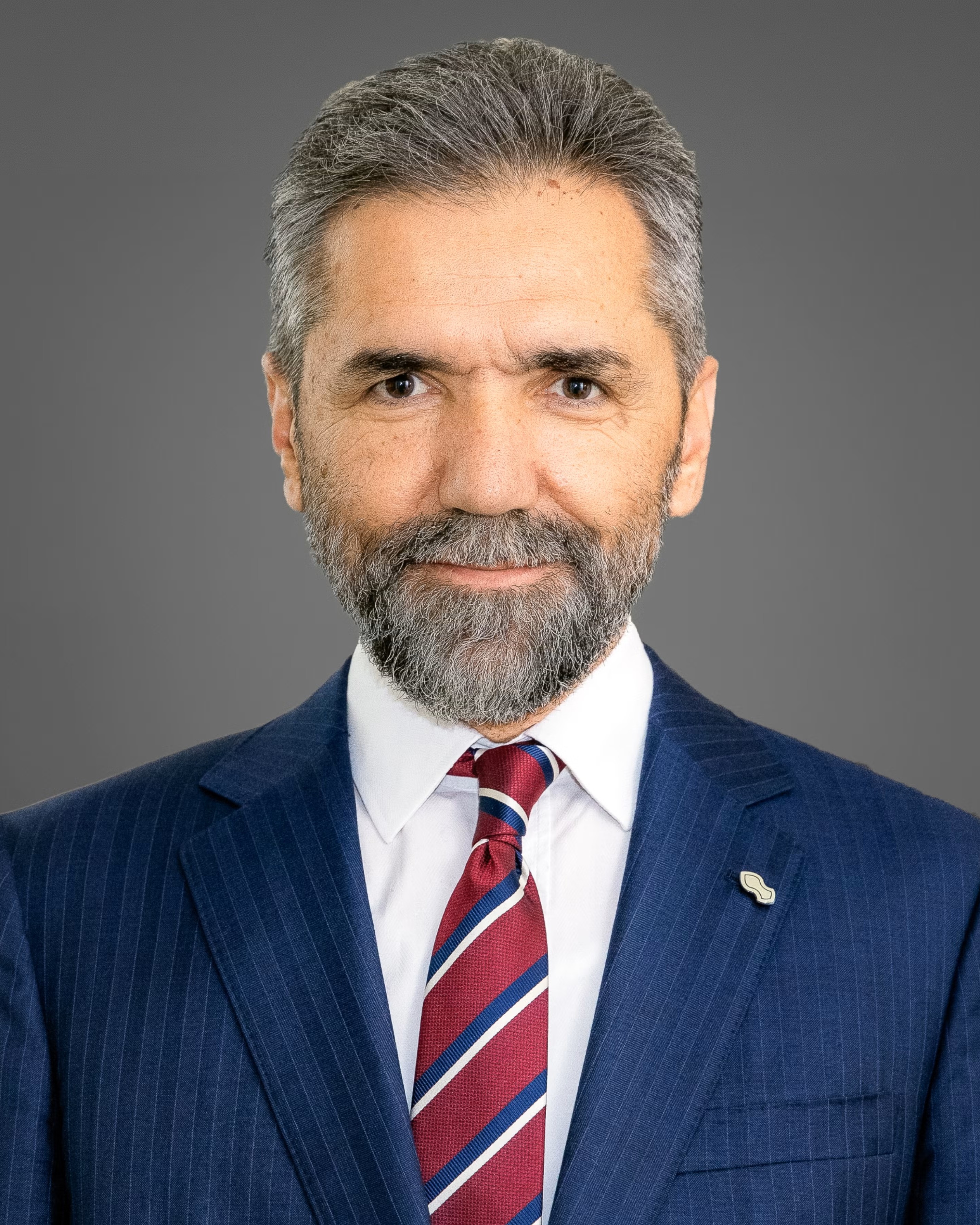
A three-part lecture series with Dr. Recep Şentürk on how to live with honor, generosity, courage, and noble character in a changing world.
-
Accessibility
-
Contrast


Next Prayer in

 Al-Iman Amānah
Transform
Futuwwah: The Code of Honor is a three-part lecture series with Dr. Recep Şentürk, Dean of the College of Islamic Studies at HBKU, exploring the classical Islamic tradition of futuwwah — a practical framework for cultivating noble character rooted in the Qur’an and Sunnah.
The sessions will be conducted on October 14 & 28 and November 11, 2026.
Drawing upon a scholarly tradition developed and transmitted over centuries, the series approaches futuwwah not simply as a historical subject, but as a living ethical tradition whose principles can be practiced today. This tradition seeks to translate Islamic moral teachings into practical principles that people could understand, embody, and transmit to the next generation.
At its heart, futuwwah calls the believer beyond merely avoiding wrongdoing toward higher levels of character: forgiveness, generosity, selflessness, service to others, and giving preference to what is right over the demands of the ego. The tradition presents the Prophets and righteous figures as models whose character demonstrates these values in practice.
Through three evenings of learning and reflection, participants will explore how this Islamic code of honor can help us preserve moral clarity, strengthen relationships, and cultivate character amid the pressures of contemporary life.
What Will the Series Explore?
The series will introduce participants to:
- The meaning and foundations of futuwwah in the Islamic tradition.
- Noble character as a practical way of life rooted in the Qur’an and Sunnah.
- Different levels of moral conduct, from justice and forgiveness to selflessness and generosity.
- Prophets and righteous figures as models of futuwwah and ethical excellence.
- Brotherhood, friendship, responsibility, and our duties toward others.
- The relationship between knowledge, moral education, and character formation.
- How classical Islamic ethical principles can be revived and practiced in contemporary life.
A central theme of the series is that education should cultivate not only knowledge and professional ability, but also character. There is a need to reconnect learning with moral formation and to transmit this ethical inheritance intentionally to future generations.
A Tradition to Be Lived
The aim of the series is not simply to study an ancient ethical text or engage in abstract discussion. It is to ask a more practical question:
What can we learn from this tradition, and how can we put it into practice in our lives today?
This reflects the original approach of the futuwwah tradition itself: practical principles, supported by the Qur’an, Sunnah, and examples of exemplary character, intended to shape how Muslims live and relate to others.
Part of Al-Īmān Amānah
This series is presented as part of Al-Īmān Amānah, Minaretein Center’s faith-centered initiative dedicated to strengthening īmān and engaging thoughtfully with contemporary questions and challenges to faith.
Through the Transform stream, the series offers a sustained learning journey designed to deepen understanding, cultivate noble character, and translate Islamic ethical principles into practice.

Event Date
Oct 14, 2026 - Nov 11, 2026

Event Time
05:30 PM - 07:00 PM

Target Audience
Open to All

Language
English

Location
A1 Glassroom, Minaretein

Register here for Session 2:
Registration Link
Share This:
Series Speaker:
Dr. Recep Şentürk is the Dean of the College of Islamic Studies at HBKU. He was the former Founding President of Ibn Haldun University in Istanbul (2017–2021). Dr. Şentürk holds a PhD from Columbia University’s Department of Sociology, and specializes in Civilization Studies, Sociology, and Islamic Studies with a focus on social networks, human rights, and modernization in the Muslim world. He served as a researcher at the Center for Islamic Studies (İSAM) in Istanbul, and as Founding Director of the Alliance of Civilizations Institute. He is Head of the International Ibn Khaldun Society, and has a seat on the editorial boards of multiple academic journals. He is listed among the world’s 500 most influential Muslims in the annual publication The Muslim 500.
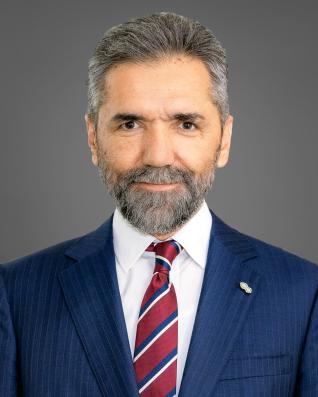
Dr. Recep Şentürk
Dean, College of Islamic Studies